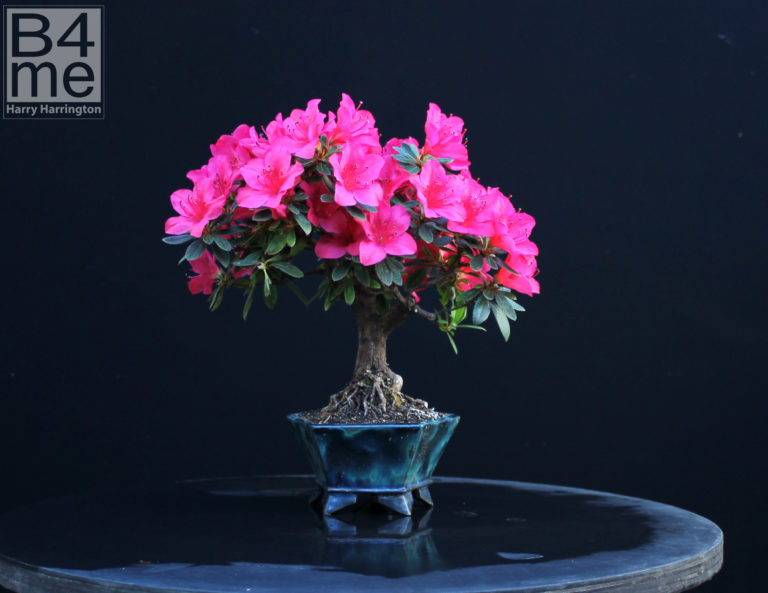
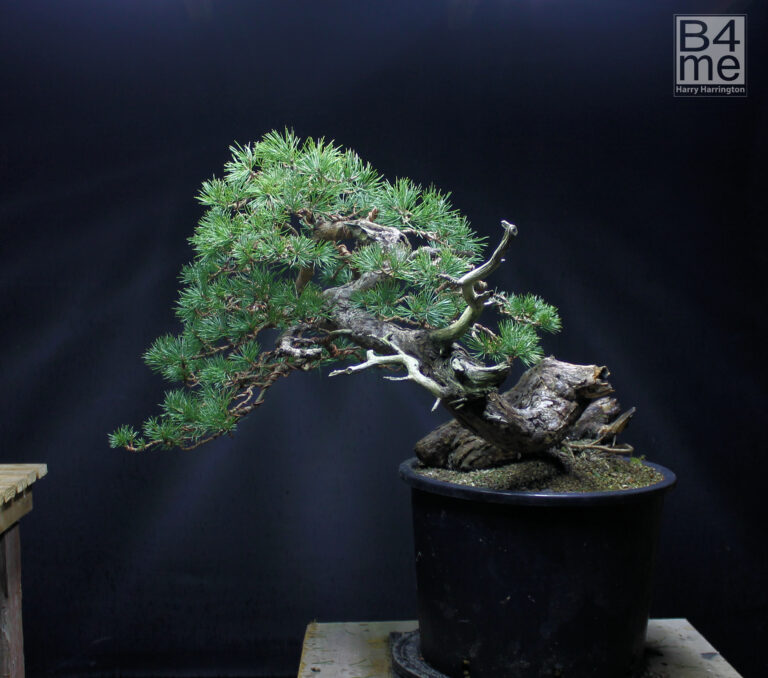
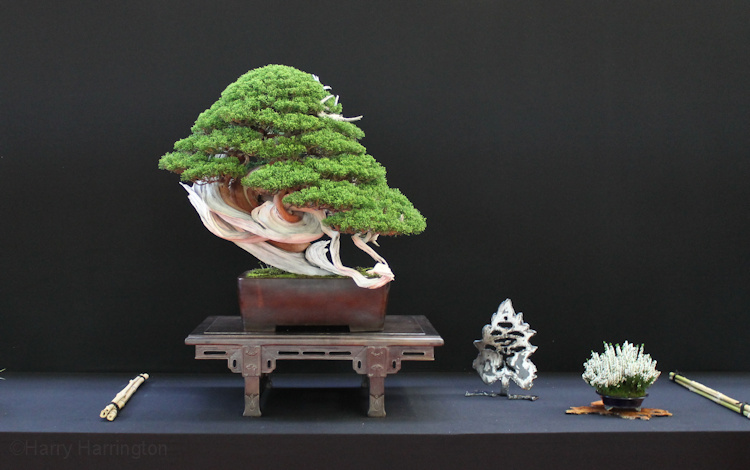
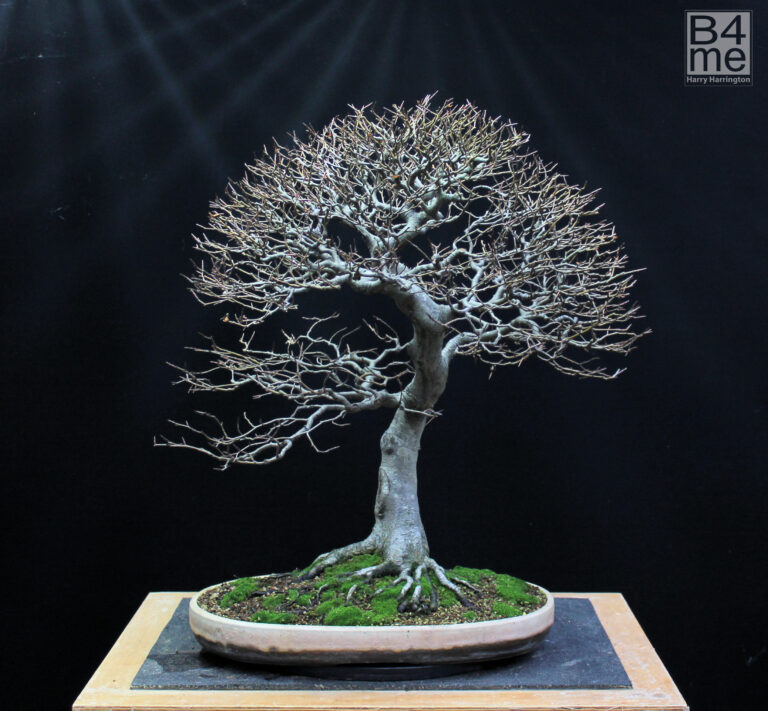
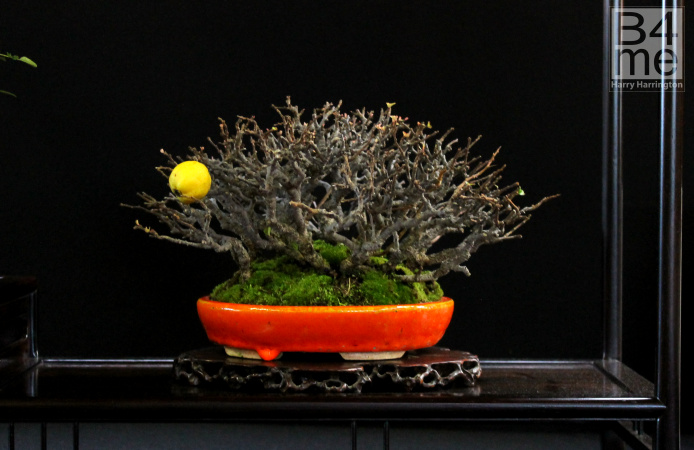
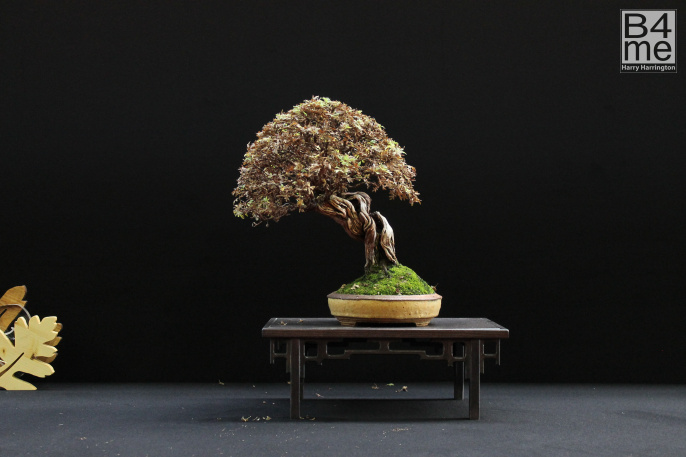
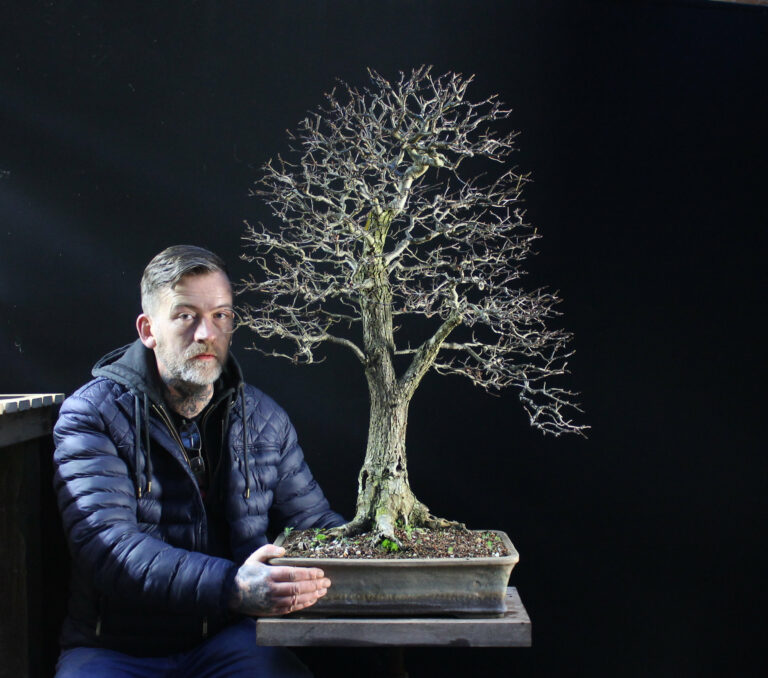
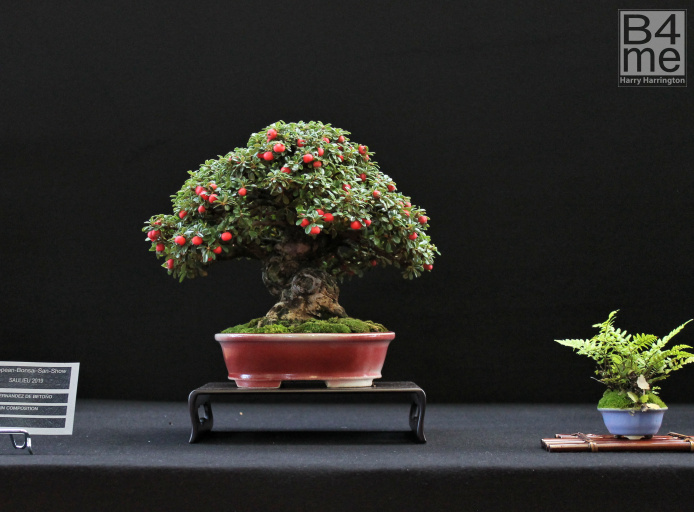
There are a large number of different species of trees that can be used for bonsai; nearly all share the characteristic of being able to produce new buds on old wood allowing continual pruning and re-generation to take place. Other preferred qualities for bonsai in a tree species include small leaves or leaves that reduce in size with training, short internodes (the distance between each leaf-joint along a branch) and the ability to withstand root disturbance.
The following guides cover a large range of coniferous and broadleaved, evergreen and deciduous trees that have the potential for use as bonsai to one degree or another. Some species are commonly seen such as the Elms, Junipers and Pines, others such as Grapevines, Tamarix and Hederas may be a rare occurrence but can have their own qualities and characteristics that make them of interest to the enthusiast.
This list is by no means comprehensive; there are many species missing from this list that have great potential for bonsai.
With respect to cultivation notes, this guide is written from European (UK) perspective where Summer temperatures rarely reach above 30°C and winter temps will rarely fall lower than -10°C. For hotter or colder climates, extra care must be taken for the protection of trees against the sun in summer, the frost in winter and also large fluctuations in temperature between day and night.
Heights listed in the guide are based on mature trees growing in ideal conditions in their natural habitat. Leaf-sizes are given based on field or garden trees, with bonsai cultivation it is possible to reduce the size of leaves of most species by a half or even more.
Chaenomeles is a genus of 3 species of deciduous, spiny shrubs from mountain woodland in Japan and China. They are favoured for their early flowers which appear from early January onwards on bare branches